
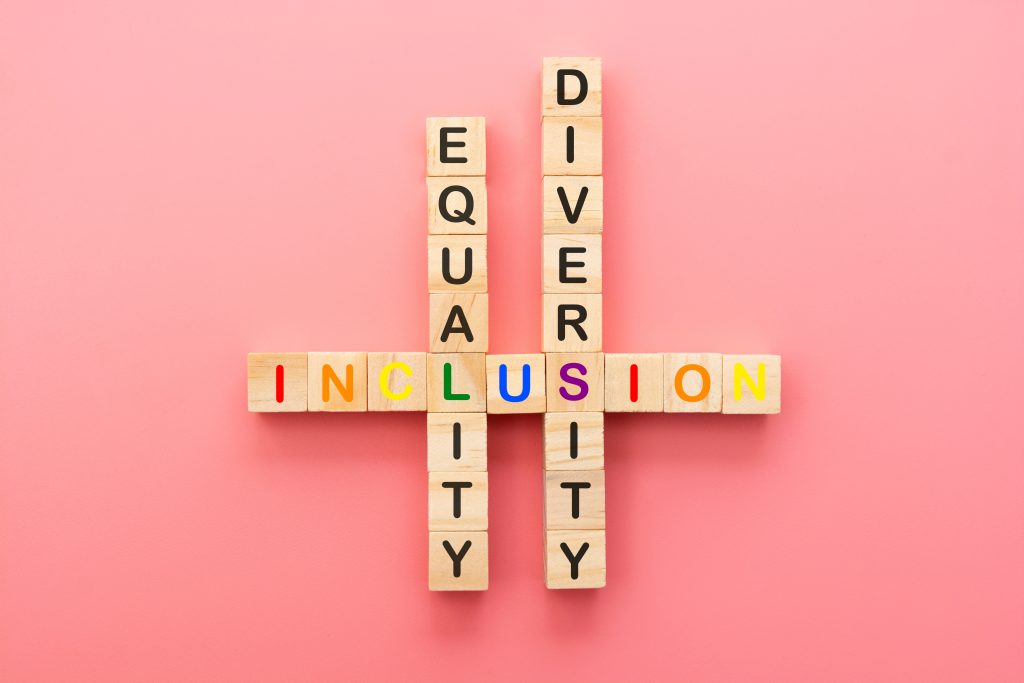
It was a delight to be asked to contribute a piece for Pride month for New Civil Engineer and to reflect on what progress we have made as an industry over the past 10 years. In 2014, I co-founded InterEngineering to connect, inform and empower LGBT+ engineers and supporters. This was after observing a lack of representation of engineering organisations in Pride marches and a lack of focus on sexual orientation and gender identity. A flurry of activity in NCE on this in 2015 and the response it received meant we knew there was a need for our advocacy.Engineering is making progress on sexual
The profession has made huge strides forward since then, with engineering companies represented in Pride parades and more and more employee resource groups being established that have now matured to become a key part of corporate inclusion strategies.
This is absolutely a welcome direction of travel, which I hope continues but, is it “smoke and mirrors” and are there still difficult issues to be tackled? To understand what those may be, it is worth considering the impact that someone’s sexuality or gender identity may have on their work as they try to fit in rather than being true to themselves.
Masking, or covering, is where we camouflage our traits and behaviours to fit in or take on behaviours deemed more socially acceptable or advantageous. We all do this from time to time, whether that be to avoid an awkward conversation or filtering what we really want to say. But some people have been masking every day for work and the constant suppression of one’s very essence ultimately can lead to long term depression, physical illness, and unemployment. It is emotionally exhausting and impacts on people’s professional performance. Hiding one’s sexual orientation or gender identity are two such examples.
Engineering is a high-risk industry and we cannot afford our people to be distracted, their mind somewhere else and not fully present at work mentally. Especially when performing high-risk tasks. We are great at creating physically safe work environments…but how good are we at creating truly psychologically safe work environments?
One real “stress test” for an organisation in terms of its approach to inclusion and diversity is how robust workplace policies and procedures can handle anything which may go awry. Cutting through the veneer of pride flags waving on sites, how truly present and open do LGBTQ+ engineers feel they can be?
Good reading is the employment tribunal outcome of Ms R Taylor v Jaguar Land Rover Ltd: 1304471/2018, which has become case law to clarify that the definition of gender reassignment under section 7 of the Equality Act 2010 covers employees who identify as non-binary and gender fluid.
Factors to consider when looking at inclusivity:
- How would your organisation handle people making insulting and abusive jokes?
- How capable and confident would your line managers be in regard to supporting an employee through a gender transition?Engineering is making progress on sexual
- What provisions would your organisation put in place for use of toilet facilities?
Engineering has a skills shortage. We need to attract people from all backgrounds to work in our industry. We need to retain talent as well.
We need to be tuned in to the context of today which are future leaders are growing up in. Numerous studies in recent years have shown that Generation Z are more likely to self-identify as LGBTQ+ than generations gone before. Therefore, what your organisation is doing to create an open and inclusive culture where everyone can be themselves is only going to get researched and scrutinised more so as people make decisions about who they want to work for as we move further into this century.Engineering is making progress on sexual
I do genuinely believe the profession has improved significantly in the time since we created InterEngineering. However, we need to know the number of LGBTQ+ engineers in the UK. This baseline still does not exist. And we won’t know this until every organisation who employs engineers properly embraces robust diversity data collection and monitoring. Most organisations are still not collecting this data and are locked in the “can we do it?” and “why do we need it?” mindset.Engineering is making progress on sexual
If you are part of an engineering organisation, here are some quick tips you could adopt to “move the dial” in the coming years:
- Check if your organisation is collecting diversity data on sexual orientation and gender identity and encourage it to do so if it is not
- Read up on why people now share their pronouns and, if you are comfortable doing so, share yours
- Listen out for non-inclusive language, or “banter” which may have unintended consequences on causing harm to people and call it out. Report it if you don’t feel safe doing so
- Get involved in what your organisation is doing for LGBTQ+ inclusion. If you are in an organisation with an employee network, attend one of their events
- Reach out to a local LGBTQ+ youth network or community group and see if they’d be interested in a talk about opportunities in engineering.Engineering is making progress on sexual
Read Also :
Definition and Definition of Work Volume